Before you dial, a 951 number can be a real Southern California number and still tell you nothing reliable about who is actually calling. Yes, 951 is a legitimate California geographic area code associated with Riverside County and nearby communities. However, a 951 caller ID does not prove that the caller or sender is legitimate because caller ID spoofing is possible; verify unexpected contacts independently.
The prefix entered service after being split from area code 909 in 2004. It covers a regional numbering area rather than one person, company, or public office, and an unexpected call may come from a medical office, school, delivery service, contractor, neighbor, or scammer. The safe decision starts with the message and the requested action, not the local appearance of the number.
| 📍 | Geographic area: Riverside County and nearby Southern California communities |
| 🗓️ | Numbering history: Created after a split from area code 909 in 2004 |
| ☎️ | What it identifies: A telephone numbering region, not a verified caller |
| ⚠️ | Main risk: Caller ID spoofing can make a scam appear local |
| 🔒 | Private information: Never share passwords, payment details, or one-time codes on an unsolicited call |
| ✅ | Best response: Let unknown calls reach voicemail and use an independent callback route |
What a 951 Area Code Actually Tells You
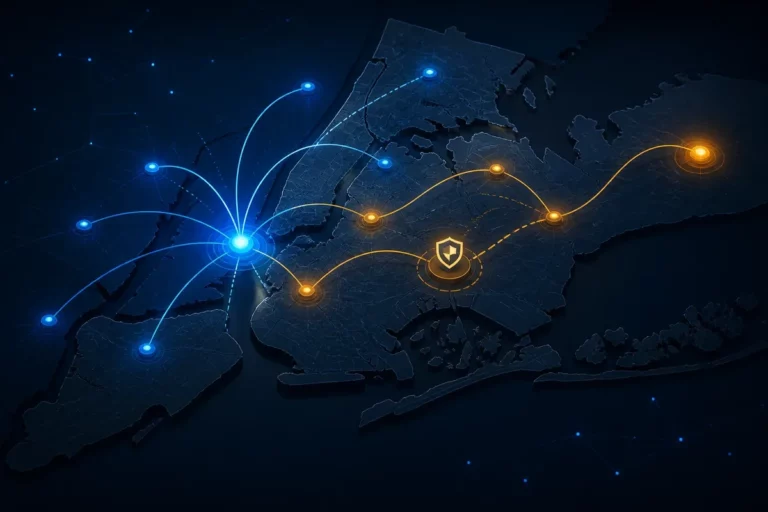
Area code 951 serves parts of inland Southern California, especially western Riverside County and communities such as Riverside, Corona, Moreno Valley, Perris, Temecula, Murrieta, Menifee, and Hemet. It uses Pacific Time, with standard time at UTC−8 and daylight time at UTC−7, according to commonly published regional descriptions. The code describes numbering geography, not caller identity.
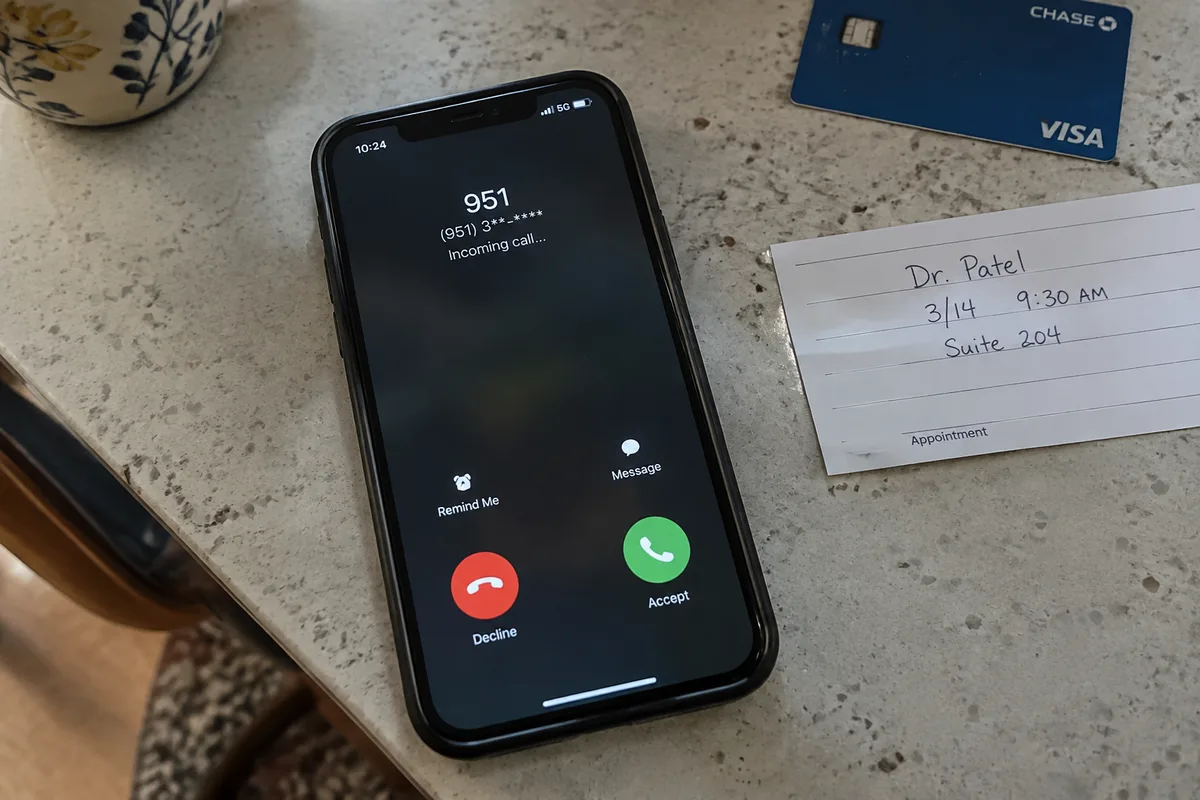
Area code 951 is not a toll-free code. The North American toll-free codes include 800, 833, 844, 855, 866, 877, and 888, while 951 belongs to a geographic numbering region. A complete North American number using 951 normally contains ten digits before any international dialing prefix.
That distinction matters when a caller claims to represent a bank, government office, school, utility, or delivery company. The displayed number may belong to a real subscriber, a reassigned number, a business line, or a spoofed identity. Caller ID gives you presentation data. It does not authenticate the person speaking.
Why a local-looking number can be misleading
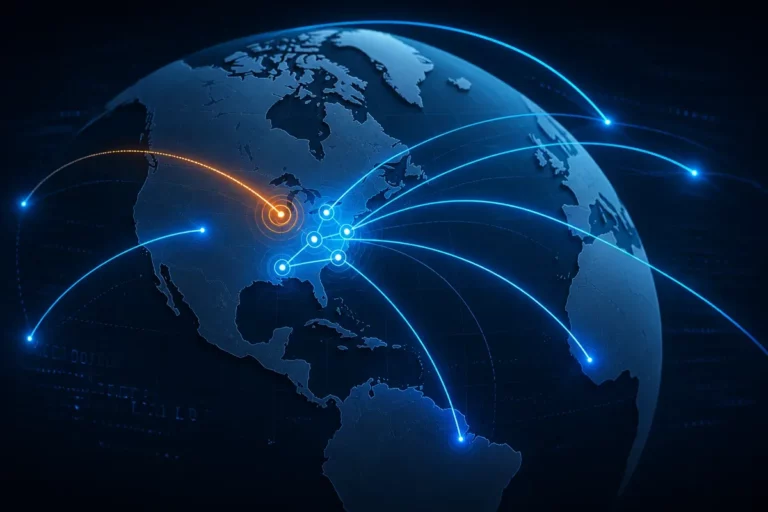
A caller ID signal can be altered before the call reaches your device, allowing someone outside California to display a familiar 951 number. Local-number spoofing works because people are more likely to answer a call that appears to come from their own region.
“A local number must be safer” is the wrong shortcut. The number may once have been assigned to a genuine person or organization and later disconnected or reassigned, so an old contact record can create confusion even without deliberate fraud.
How to Triage an Unknown 951 Call Before Responding
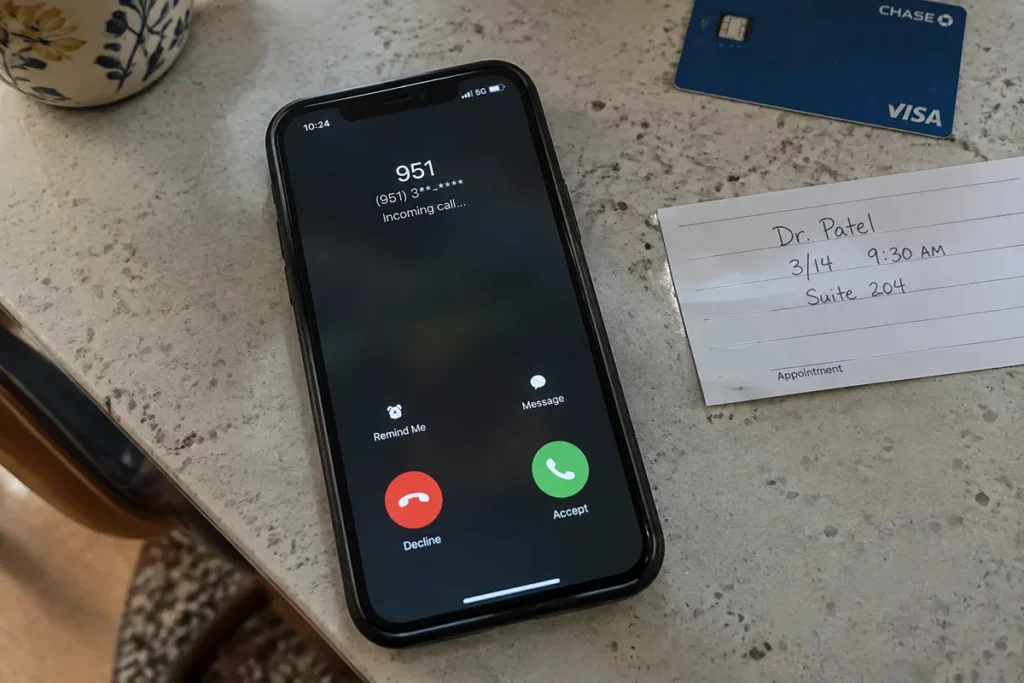
An unknown 951 call deserves a response based on evidence, not familiarity. A voicemail naming the caller, organization, reason, and usable callback context carries more information than a missed call alone, while urgency, account threats, and payment demands sharply increase the risk.
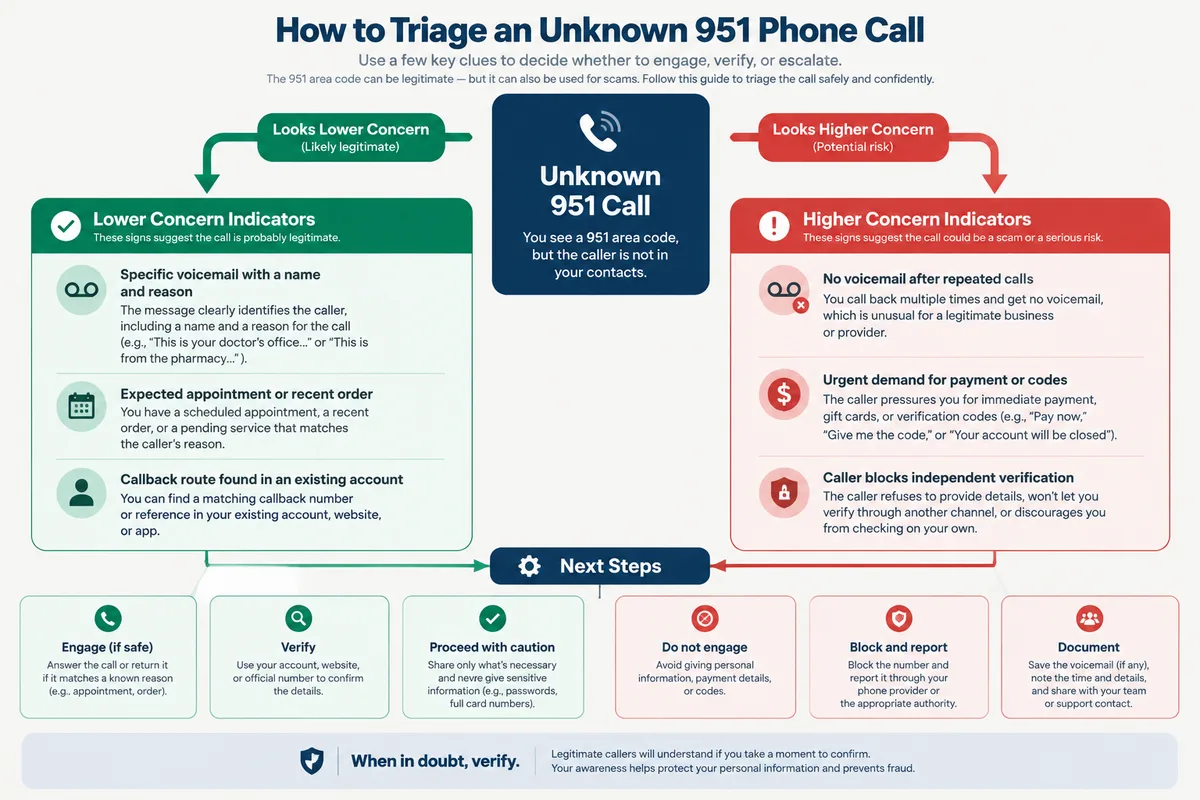
Start with the contact history. A known appointment, recent order, existing service relationship, or expected delivery gives the call a concrete connection. A message that matches that event is more useful than a silent call from a number that merely looks nearby.
Letting an unknown caller reach voicemail removes live social pressure and preserves the exact claim made during the call. Do not call back merely because the area code matches your region.
Yet silence alone does not establish fraud. Automated dialing can produce repeated calls without a voicemail, while a legitimate office may use a poorly configured outbound line. The next step is independent confirmation.
Signals that make a callback more credible
A callback becomes more credible when the reason matches something you already know and the return route comes from a saved contact, account statement, official website, authenticated portal, or prior correspondence. The incoming number should not be the only source of verification.
- Check whether you recently scheduled an appointment or requested service.
- Compare the voicemail with the organization’s known name and purpose.
- Find the callback number through an existing account or official document.
- Search for the organization independently rather than following a message link.
Or, if no concrete connection exists, leave the call unanswered and wait for a usable explanation. That choice is especially strong when the caller offers no name, no reason, and no safe way to confirm the claim.
Red Flags That Point to a 951 Phone Scam
Payment demands, threats, one-time-code requests, and remote-access instructions are stronger warning signs than the 951 prefix itself. A suspicious caller may claim to represent a tax office, utility, bank, delivery company, employer, or relative, then compress your decision time so you act before checking the story.
Scammers prefer payment methods that are difficult to reverse, including gift cards, cryptocurrency, wire transfers, cash deposits, and peer-to-peer transfers. An unexpected caller who insists on secrecy or immediate payment has already supplied a reason to end the conversation.
- Threats of arrest, immigration consequences, account closure, or utility shutoff.
- Claims involving a missed delivery, tax debt, family emergency, or compromised account.
- Requests for a one-time authentication code or password reset code.
- Instructions to install remote-access software or share your screen.
- Links that require payment, login details, identity documents, or app installation.
One-time codes deserve special care. They can approve a login, password reset, money transfer, device enrollment, or identity check, so repeating the code to an unsolicited caller may give that person control over an account.
However, an aggressive tone is not the only warning sign. A calm caller can still be fraudulent if the callback route, payment request, or link cannot be verified independently.
The pressure tactics behind urgent calls
Fraud scripts often frame delay as dangerous, expensive, or disloyal. The caller may interrupt questions, change the subject, or claim that independent contact will cancel an account or worsen an emergency.
Do not negotiate with that pressure. End the call, then contact the claimed organization through a number already tied to your account or through its official website.
Keep passwords, banking details, Social Security numbers, card numbers, recovery answers, and authentication codes private. The caller must identify the situation without making you fill in the missing personal data.
What to Do After a Suspicious 951 Call
End a suspicious call, preserve the voicemail or message, and record the displayed number, date, time, claimed organization, and requested action. Then use a contact route already connected to the account or institution, because the incoming number, supplied link, or callback instruction may be part of the deception.
Check the fallback. Use the phone number printed on a card, statement, official website, or authenticated account portal. Where does it fail? The process fails when you rely on the same channel that introduced the risk.
Blocking the number can reduce repeat calls from that exact display, though it cannot prevent a spoofed caller from using a different number. Blocking is useful. It is not a complete answer.
A safe contact sequence for claimed organizations
First, save the evidence before deleting anything. Next, open the organization’s authenticated app, statement, card, or official website without using the caller’s link.
Then ask whether the organization actually attempted contact and whether the claimed issue exists. Use a fresh channel. A reply to the suspicious text is not independent verification.
For a suspicious text, forwarding the message to 7726 may be available when your mobile carrier supports that reporting service. You can also report relevant fraud to the Federal Trade Commission, notify the Federal Communications Commission about unwanted communications, and alert the impersonated organization.
When the call has already caused harm
Act quickly if you shared a password, one-time code, financial detail, identity number, or remote-access session. Change exposed passwords from a trusted device, end unfamiliar sessions, contact the financial institution through its official route, and monitor transactions or account alerts.
Preserve screenshots, transaction records, call details, and messages. A clear timeline helps when disputing a transfer, freezing a card, removing remote software, or explaining the incident to a carrier, bank, or reporting body.
And if the number has been disconnected and later reassigned, a saved contact may reach a completely different subscriber. That possibility explains some wrong-number calls, while spoofing explains why the displayed number may never have belonged to the caller at all.
Frequently Asked Questions
What happens if I answer a spam call and say hello?
Saying “hello” alone does not give the caller access to your accounts or authorize a payment. The risk increases only if you provide personal information, repeat an authentication code, follow instructions, click a link, install software, or continue the conversation under pressure.
Can a 951 number be a mobile phone or a landline?
Yes. The 951 area code identifies a geographic numbering region, not the type of telephone line. It can be assigned to a mobile phone, landline, business line, or internet-based phone service, and number portability can allow the same number to move between providers.